Bringing treasured items back to life.
I’m Chloe Cox, a conservator and the person behind Silverfish Conservation Studio. I work across ceramics, paper, paintings, stone, and the built environment.
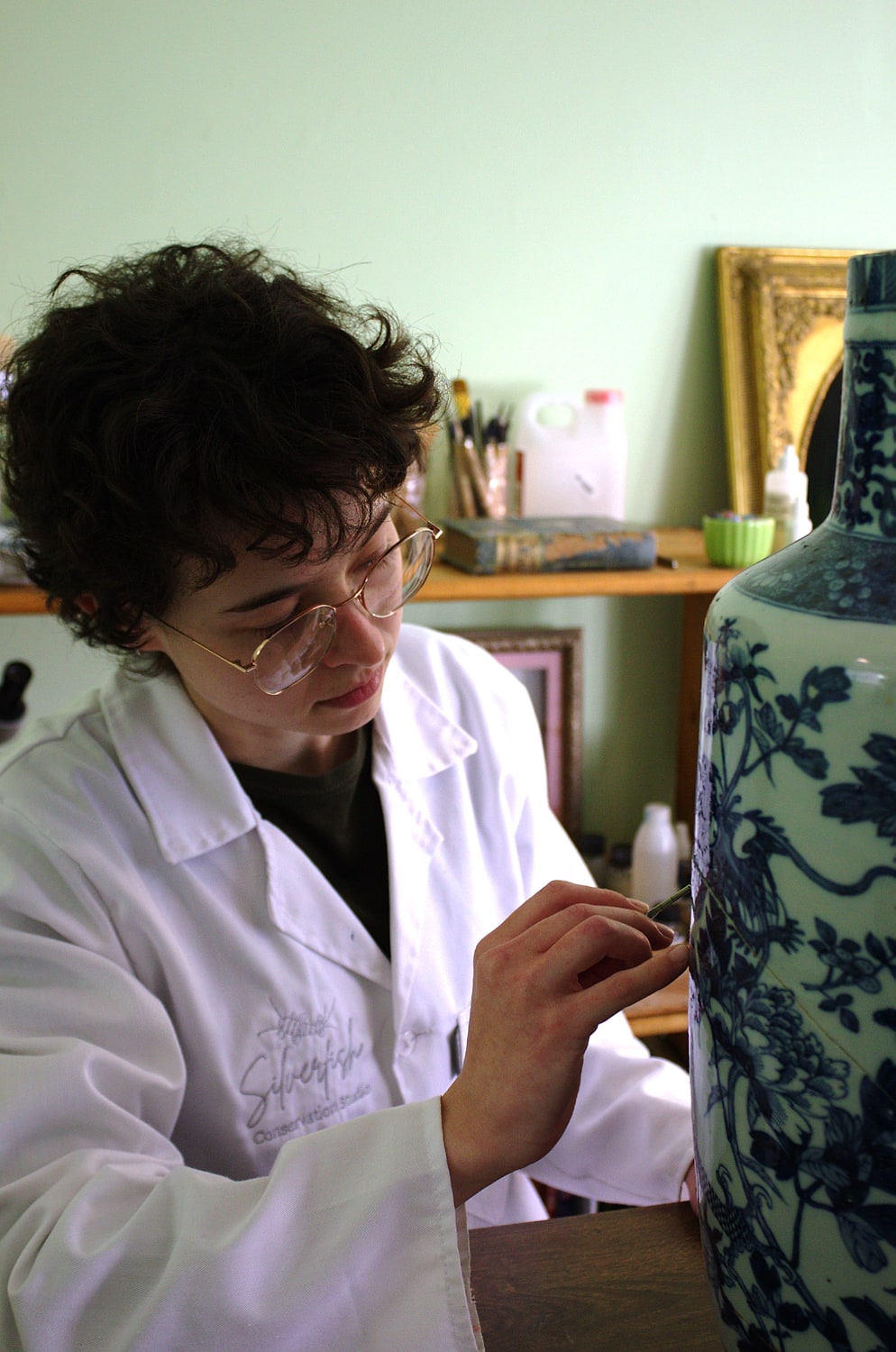
Meet the conservator behind Silverfish
I came to conservation the long way round. I first took a BSc in chemistry and physiology before following my real passion — an interest I’d held since my undergraduate years. I’ve always loved working with my hands, the beauty of historical buildings, and visiting museums to see everyday items from the past.
After a year working as a ceramicist, I began my postgraduate diploma in heritage conservation at the South African Institute for Heritage Science and Conservation (SAIHSC) — a two-and-a-half-year course covering the conservation of a wide range of materials, including paper, ceramics, metals, and the built environment.
That grounding in science still shapes how I work: understanding what an object is actually made of — its glazes, pigments and papers, and the ways they age and react — is the foundation of treating it safely, with both scientific care and a genuine respect for its history.
Where the name comes from
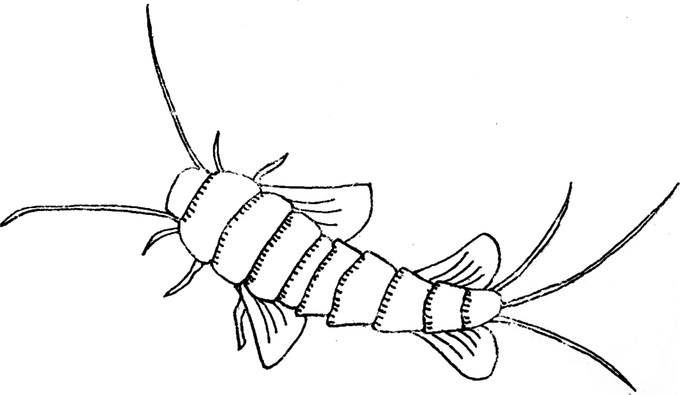
The silverfish is one of conservation’s oldest adversaries — a small, ancient insect with an appetite for exactly the things I look after: paper, book bindings, glue and starch. Any conservator will tell you they are bad news in an archive.
So naming a restoration studio after one is quite deliberately tongue-in-cheek — a nod to the very pest we work to keep at bay, and to the quiet, patient, slightly obsessive nature of the work itself.
There is a beauty to the word itself, too. I have always loved the way it sounds — and the fact that ‘silver’ sits hidden inside it: a material I restore in its own right. The name holds both at once, then — the humble pest, and the precious metal worth saving.
How I work
-
The right treatment
Each piece is examined closely before any work begins, so what follows is exactly what the object needs — carried out thoroughly and made to last.
-
Reversible where possible
Conservation-grade materials are chosen so that today’s repair can be undone by a future conservator, should they ever need to.
-
Respect the story
Every object carries its own history, and good restoration honours it — reuniting what’s broken and matching the original so faithfully that the piece feels whole again, and still unmistakably itself.
From first look to homecoming
- 01
Enquiry
Send photographs and a few words about the piece, and I’ll respond with my initial thoughts.
- 02
Assessment
The object is examined in person, its condition documented, and a treatment proposal and estimate prepared.
- 03
Treatment
Work proceeds only with your approval, carried out carefully and recorded as it goes.
- 04
Return
The finished piece is returned with notes on what was done and how best to care for it.
Let’s talk about your piece
I’d be glad to hear what you have and what it means to you.